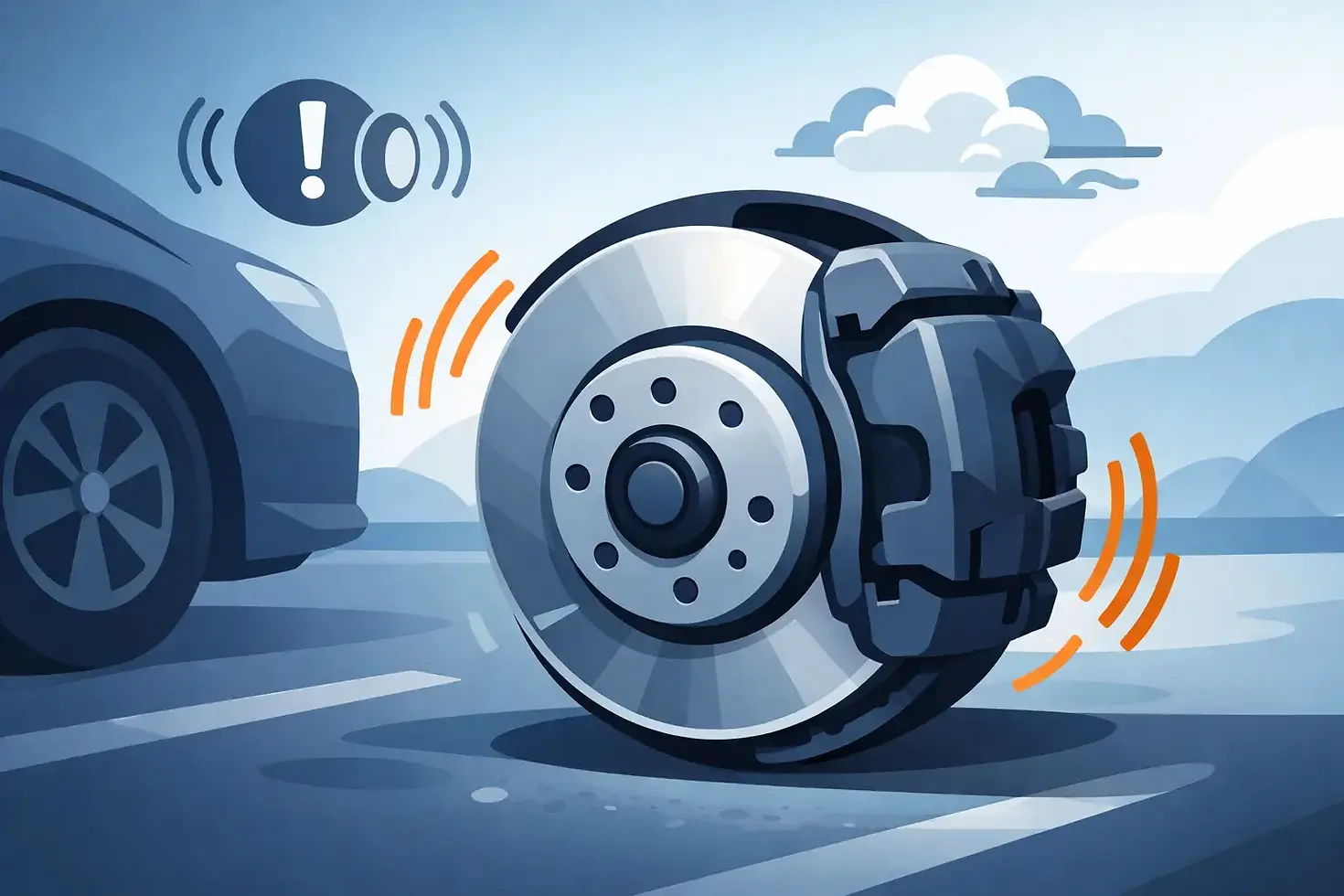
Why Are Brakes Squeaking Suddenly?
- Brakes Stop and Go
- Jun 23
- 6 min read

You back out of the driveway, tap the brake pedal, and there it is - a sharp squeak that was not there yesterday. If you are asking why are brakes squeaking suddenly, the short answer is this: something changed in the brake system, and while not every squeak means an emergency, it should never be ignored.
Brake noise can show up overnight because brakes work in a harsh environment. Heat, moisture, dust, road grime, worn parts, and driving habits all affect how they sound. Sometimes the cause is minor. Sometimes it is the first warning that your pads or rotors are due for service. The key is knowing the difference before a quick squeak turns into a bigger repair.
Why are brakes squeaking suddenly when they were quiet before?
Brakes can seem perfectly fine one day and noisy the next because even a small change in friction can create sound. A little surface rust after rain, a thin layer of dust on the pads, or a worn hardware clip can be enough to start squeaking.
That does not mean every sudden squeak is harmless. Brake pads wear gradually, but the sound can appear all at once when the wear indicator starts touching the rotor. Rotors can also develop hot spots or uneven surfaces that make noise without much warning. In other cases, the brake components are still usable but need cleaning, lubrication in the right places, or replacement of worn hardware.
The important part is context. A brief squeak on a damp morning is different from a squeal every time you stop at every light on I-285.
The most common causes of sudden brake squeaking
The most common reason is pad wear. Many brake pads include a small metal tab called a wear indicator. When the friction material gets too thin, that tab rubs the rotor and creates a high-pitched squeak. It is designed to get your attention early, before braking performance gets worse.
Moisture is another frequent cause. If your car sat overnight, especially after rain or high humidity, a light film of rust can form on the rotors. The first few stops may squeak until the pads scrub the surface clean. If the noise goes away quickly, that is usually less concerning.
Brake dust and road debris can also create noise. Dust builds up between the pad and rotor, and small particles can make a squeaking or chirping sound. This is one reason brakes may start making noise even if the pads are not fully worn out.
Cheap or low-quality pads often get noisy faster, especially under heat. Pad material matters. Ceramic brake pads are generally quieter and cleaner than many lower-grade alternatives, but even good pads can squeak if the rotors are worn or the hardware is failing.
Worn or damaged hardware is a big one people do not think about. Shims, clips, and anti-rattle hardware help keep the pads stable and reduce vibration. When those parts wear out, the brakes can squeak even if the pads still have some life left.
Rotor problems matter too. If rotors are glazed, grooved, or uneven, the pad cannot make smooth contact. That uneven friction often shows up as squeaking, squealing, or vibration.
When brake squeaking is probably minor
Not every squeak means you need to stop driving immediately. If the noise only happens for the first few stops in the morning and then disappears, moisture on the rotors is a likely cause. The same goes for a car that has been sitting for a few days.
A light squeak without any change in stopping power, pedal feel, vibration, or pulling can also point to surface contamination rather than serious failure. Still, minor does not mean permanent. If the sound keeps returning, it is worth checking before it becomes constant.
New brakes can squeak too. Fresh pads sometimes make noise during the break-in period, especially if they were not bedded in properly. That usually improves as the pad material transfers evenly to the rotor surface. If new brakes stay noisy, though, the installation, hardware, or rotor condition may need a second look.
When brake squeaking means you need service soon
If the squeak happens every time you brake, that is a stronger sign the issue is not just morning moisture. Constant noise often means worn pads, worn hardware, or rotor damage.
Pay attention if the sound gets louder, changes into grinding, or comes with vibration in the steering wheel or brake pedal. Grinding usually means the pad material is gone and metal is contacting metal. At that point, the repair often gets more expensive because the rotors may be damaged too.
You should also act quickly if the vehicle takes longer to stop, pulls to one side, or the brake pedal feels soft, low, or inconsistent. Those signs go beyond noise and point to a brake system problem that affects safety directly.
For drivers who spend a lot of time in Atlanta traffic, stop-and-go driving can speed up brake wear. Commuters, rideshare drivers, and fleet vehicles tend to go through pads faster than vehicles used mostly for highway cruising. If your brakes suddenly start squeaking and you rack up miles in city traffic, pad wear should be high on the list.
Why are brakes squeaking suddenly after rain or a car wash?
This is one of the most common questions drivers have, and usually the answer is simple. Water on the rotors creates temporary surface rust very quickly. That thin rust layer gets scraped off when you apply the brakes, which can cause squeaking for the first few stops.
In many cases, that noise clears up within minutes. If it does not, the moisture may have exposed an existing issue, like worn pads or rotor scoring. Rain did not necessarily cause the brake problem from scratch. It may have just made the problem easier to hear.
Can you keep driving with squeaky brakes?
Maybe, but that depends on the cause. A short-lived squeak on a wet morning is very different from a daily squeal that has been getting worse for a week.
The problem is that brake noise is one of the easiest early warnings to dismiss. Drivers get used to it, put it off, and then end up with grinding brakes, damaged rotors, and a larger bill. If you are hearing sudden squeaking and you do not know why, the safest move is to have it inspected sooner rather than later.
That is especially true if your schedule is already packed. Waiting for brake issues to get worse rarely saves time or money. It usually does the opposite.
What a brake inspection should check
A proper brake inspection should not stop at the pads. The technician needs to look at pad thickness, rotor condition, caliper operation, hardware wear, and signs of uneven braking. Brake fluid condition can matter too, especially if the pedal feel has changed.
This is where a focused brake service helps. Noise can come from one part, but the real cause may be somewhere else in the system. Replacing pads without addressing bad hardware or worn rotors can leave the same squeak in place.
For that reason, the best fix is not always the cheapest line item. It is the repair that actually solves the cause of the noise and restores reliable stopping.
How to prevent sudden brake squeaking
You cannot prevent every brake noise, but you can lower the odds. Quality pads make a difference. So does replacing hardware when needed instead of only swapping the pads. Rotor condition matters, and so does regular inspection before the friction material gets too low.
Driving habits count too. Hard braking, heavy loads, and constant city stop-and-go use wear brakes faster. If you drive for work, shuttle kids across town, or manage multiple vehicles, brake checks should be part of routine maintenance rather than something you wait on until the noise starts.
At Brakes Stop & Go, that is exactly why mobile brake service makes sense for busy Atlanta drivers. No waiting. No towing. No hassle. You get the problem checked where you are, whether that is at home, at work, or with a fleet parked on site.
Brake squeaking is your car asking for attention. Sometimes it is a brief complaint. Sometimes it is the first sign that your pads, rotors, or hardware are ready for service. Either way, the smartest move is simple: listen early, fix it early, and keep your day moving.


Comments