How to Fix Brake Grinding: A Comprehensive Guide

Updated: 7 days ago
Understanding Brake Grinding
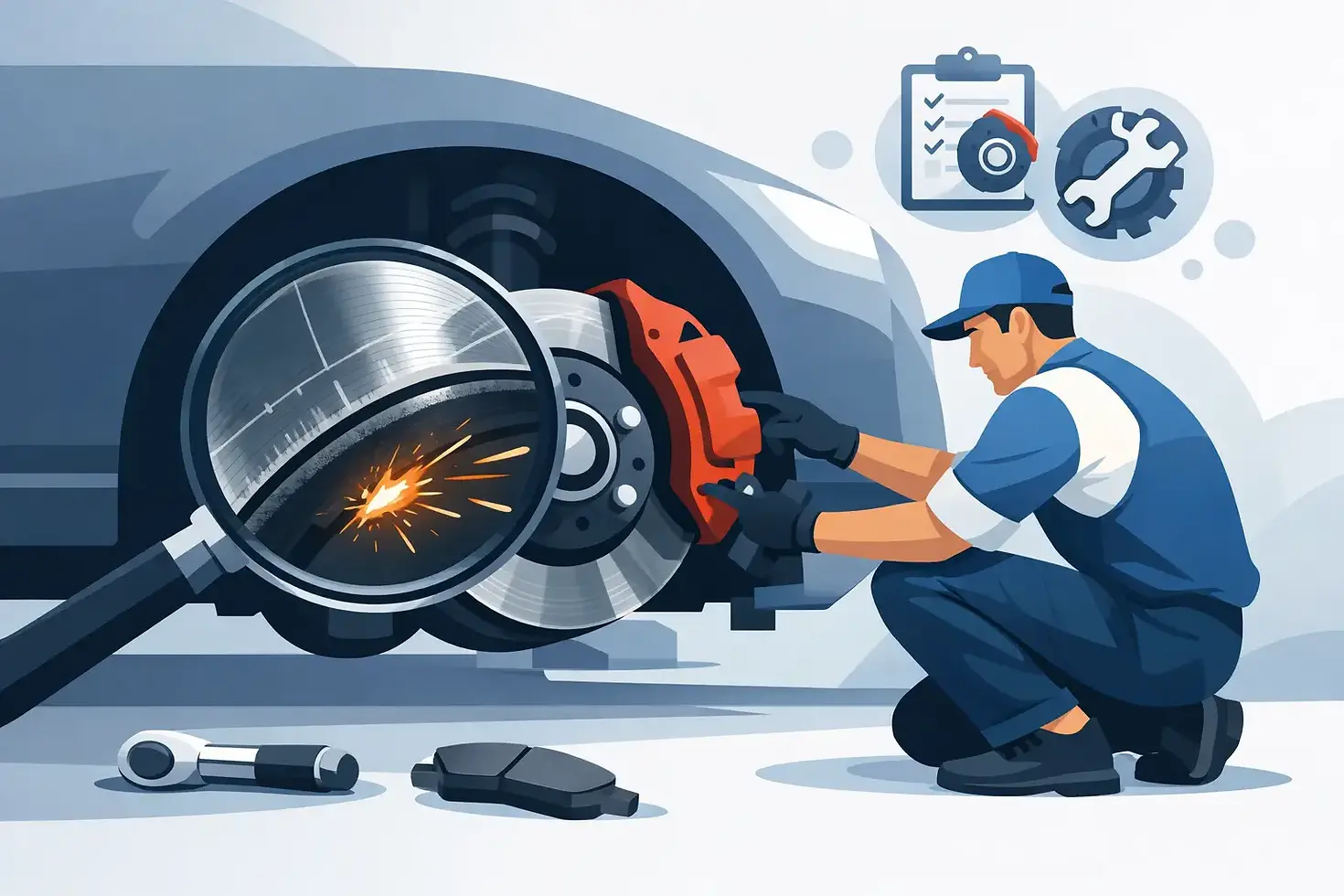
If your brakes grind every time you press the pedal, treat it as an urgent safety issue. Worn brake pads may have reached the metal backing plate, which can scrape directly against the brake rotor. Braking distance may increase, and continued driving can damage parts that could otherwise be saved.
Pull over and arrange service instead of driving farther if grinding comes with a soft pedal, a brake warning light, vibration, pulling to one side, burning smells, smoke near a wheel, or reduced stopping power. Those symptoms can point to more than worn pads, including a stuck caliper, brake fluid issue, or damaged hardware.
A brief scrape after a vehicle has sat overnight is different. Surface rust can form on rotors after rain, humidity, or a car wash and often clears after a few normal stops. But if the noise continues beyond the first short drive, it needs a proper diagnosis.
What Causes Brakes to Grind?
Grinding is a symptom, not a diagnosis. A technician needs to identify where the sound is coming from and inspect the full braking system before recommending a repair.
The most common cause is brake pads worn past their usable material. Brake pads are designed with friction material that presses against the rotor to slow the vehicle. Once that material is gone, the pad's metal backing can contact the rotor. This creates the sharp grinding noise drivers recognize and can score the rotor quickly.
Other causes include:
A rock or debris trapped between the rotor and shield.
Rust buildup or a bent backing plate.
A seized or sticking brake caliper that doesn’t release correctly.
Less often, grinding may not come from the brakes at all. A worn wheel bearing, damaged CV joint, or loose wheel-related component can make noise that changes with speed or turns. That’s why guessing based on sound alone can lead to the wrong repair.
How to Fix Brake Grinding Safely
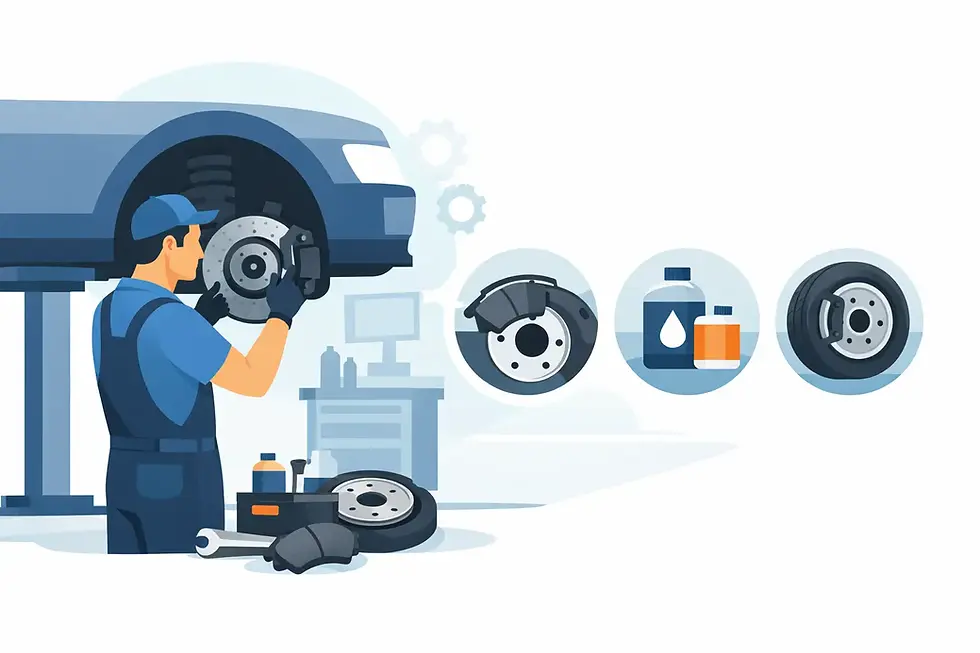
The right fix depends on the cause, but the process should be straightforward. First, a qualified technician confirms whether the noise happens during braking, while turning, or continuously while moving. They inspect pad thickness, rotor condition, caliper operation, brake hardware, fluid condition, and nearby components.
If the pads are worn out and the rotors are still within specification, the repair may involve replacing the pads and servicing the hardware. If the rotors are deeply scored, overheated, warped, or below minimum thickness, they should be replaced along with the pads. Installing new pads on damaged rotors can leave you with poor braking performance, vibration, and another noise complaint soon after.
When a caliper is sticking, the repair may include replacing the caliper and addressing any damaged rotor or pad. A technician should also inspect the other side of the axle. Brakes work as a pair, so uneven wear on one side can be a sign that both sides need attention.
For a dust shield rubbing the rotor or debris caught behind it, the fix can be as simple as removing the debris and repositioning the shield. This is one reason not to authorize parts before the vehicle has been inspected. The noise might be a major brake repair, or it might be a small issue with a simple correction.
What You Can Check Before Scheduling Service
You don’t need to take your wheels apart to provide useful information. Pay attention to when the sound occurs. Does it grind only when braking? Does it get louder during turns? Is it one loud event after rain, or does it happen at every stop?
Look through the wheel openings if visibility allows. You may be able to see whether the brake rotor has deep grooves, heavy rust, or obvious scoring. Also check for warning lights, fluid leaks near the tires, or smoke and a strong burning odor after driving. Do not touch the wheel, rotor, or caliper after a drive. Brake parts can be extremely hot.
Avoid spraying lubricants, cleaners, or water on brake parts in an attempt to quiet the sound. Never apply grease to a rotor or braking surface. Contaminated pads and rotors can reduce stopping power and create a more expensive repair.
Why DIY Brake Fixes Can Go Wrong
Replacing brake pads looks simple in a video, but a brake job is more than swapping parts. The correct repair requires checking rotor thickness, pad fitment, hardware condition, caliper movement, torque specifications, brake fluid level, and the cause of the original noise.
The trade-off is clear. Doing the work yourself may save labor costs if you have the tools and experience, but an incorrect installation can cause uneven braking, noise, damaged components, or a serious safety risk. If the vehicle has electronic parking brakes, advanced driver-assistance systems, or a suspected caliper problem, professional service is usually the safer choice.
For busy Atlanta drivers, mobile brake service can remove the biggest obstacle: finding time for the repair. Brakes Stop & Go can inspect and repair brakes at your home, workplace, or another convenient location, using ceramic brake pads and backing qualifying work with a 12-month/12,000-mile warranty. You get an explanation of what is wrong before repairs move forward, without the shop wait.
Do Not Wait for Grinding to Become a Bigger Bill
Brake pads are a wear item. Catching them early can protect the rotors and keep the repair more manageable. Once metal starts cutting into the rotor, costs can rise because the rotor may need replacement. Heat from prolonged grinding can also damage calipers, brake hardware, and nearby components.
Rideshare drivers, commuters, and fleet operators should be especially cautious. Higher mileage means brake wear can progress quickly, and a vehicle out of service costs time and income. Scheduling an inspection at the first persistent noise is usually far easier than dealing with a breakdown or unsafe vehicle later.
A Better Next Step When Your Brakes Grind
Don’t diagnose your brakes by noise alone, and don’t keep testing them with extra driving. Make a note of the symptoms, park the vehicle if the grinding is severe or braking feels different, and have the system inspected by a brake professional.
A clear diagnosis gives you the answer you actually need: whether you need pads, rotors, a caliper repair, debris removal, or attention to another component. The safest repair is the one that fixes the cause, protects your stopping power, and gets you back on the road without more disruption than necessary.


Comments