Ceramic Brake Pads Review for Daily Drivers

When your brakes start squealing on the way to work or grinding in the school pickup line, you usually want one answer fast: what pad should go on the car next? This ceramic brake pads review is built for that moment. Not theory, not racing talk, just a clear look at how ceramic pads perform for everyday drivers who need safe stopping, low noise, and fewer headaches.
Ceramic brake pads review: what they actually do well
Ceramic brake pads are popular for a reason. For most daily drivers, they hit the middle ground that matters most. They are typically quieter than many semi-metallic pads, they create less visible brake dust, and they hold up well in regular commuting conditions.
That matters more than people think. A lot of brake complaints are not about stopping distance alone. They are about noise at red lights, dark dust coating the wheels, and a brake pedal that feels rough or inconsistent in traffic. Ceramic pads generally do a better job keeping those issues under control.
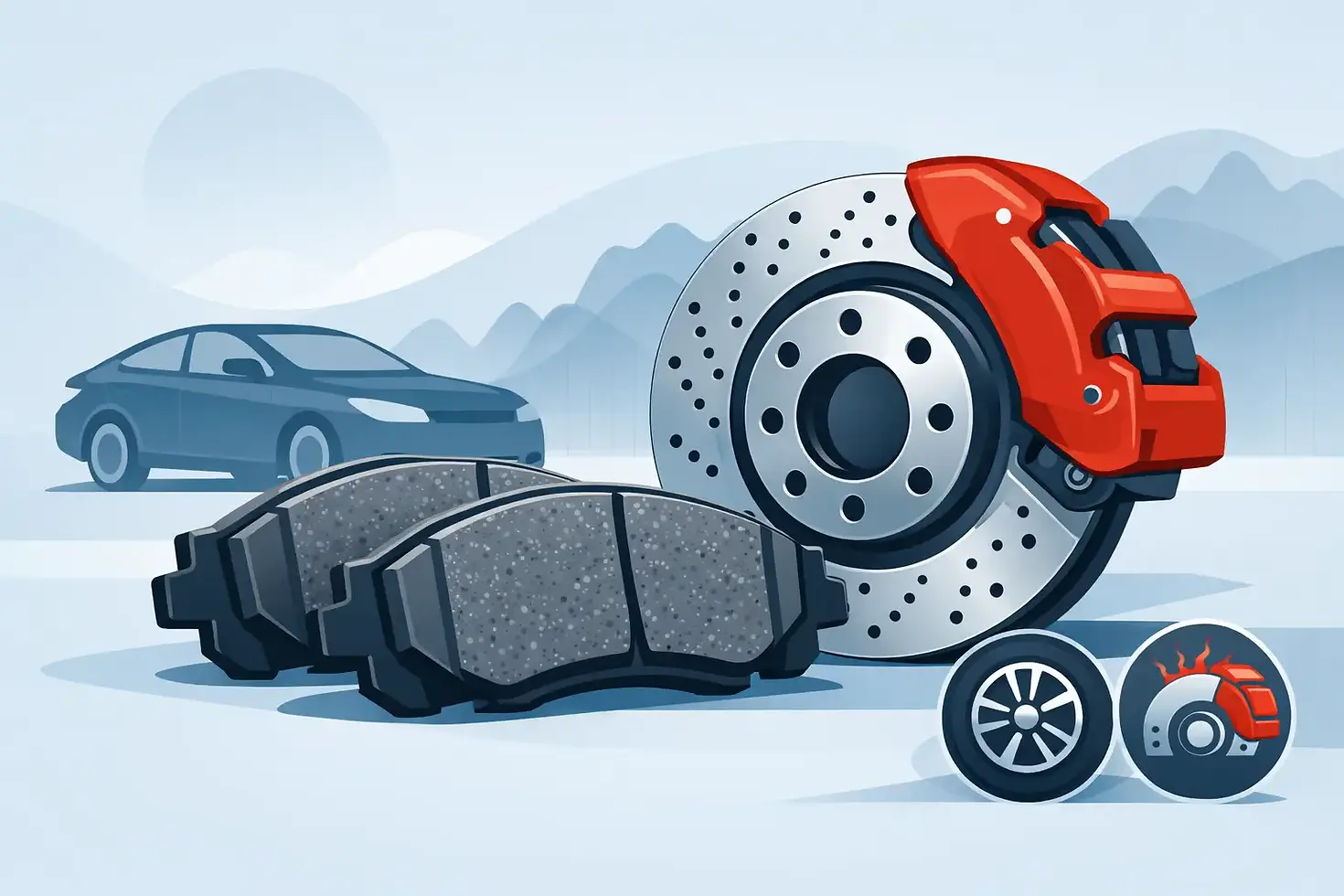
They are made with ceramic fibers and filler materials bonded together, often with small amounts of metal. That composition helps them stay stable across normal temperature ranges without being overly aggressive on the rotor. For the average sedan, SUV, or crossover used for school runs, commuting, grocery trips, and highway driving, that is a strong match.
Where ceramic pads shine in real-world driving
In Metro Atlanta, most drivers are not coming down mountain roads every day or setting lap times. They are dealing with stop-and-go traffic, long commutes, heat, rain, and busy schedules. Ceramic brake pads handle that kind of use well.
Noise control
This is one of the biggest reasons people choose ceramic. A quality ceramic pad is usually quieter during normal braking, especially when paired with properly resurfaced or replaced rotors and correct hardware. That does not mean ceramic pads can never squeak. Poor installation, worn rotors, cheap pad material, or lack of lubrication at contact points can still cause noise. But all else equal, ceramic tends to be one of the better options for keeping things quiet.
Less brake dust
If you hate seeing black dust on your front wheels two days after a wash, ceramic pads have a real advantage. They generally produce finer, lighter-colored dust that is less noticeable. For drivers who care about keeping their vehicle looking clean without constant scrubbing, this is a practical benefit, not just a cosmetic one.
Smooth everyday braking
Ceramic pads usually deliver a predictable, steady pedal feel in normal traffic. They are not typically grabby or harsh. That can make the car feel more refined, especially for drivers who spend a lot of time in city traffic or want smoother stops with passengers in the vehicle.
Rotor friendliness
In many cases, ceramic pads are easier on rotors than more aggressive pad types. That can help with long-term maintenance cost, although rotor life still depends on driving habits, vehicle weight, heat, and pad quality.
The trade-offs most reviews skip
A good ceramic brake pads review should not act like ceramic is automatically the best choice for every vehicle and every driver. It depends on how the vehicle is used.
High-heat performance is not their main selling point
Ceramic pads do well in normal daily driving, but they are not always the top pick for heavy-duty use. If you drive a truck that tows regularly, carry heavy commercial loads, or put your brakes through repeated hard stops, a semi-metallic pad may handle extreme heat better.
That does not make ceramic weak. It just means the right pad depends on the job. A commuter SUV and a loaded work van do not ask the same thing from a brake system.
Upfront price can be higher
Ceramic pads often cost more than economy organic options. For some drivers, that higher initial price is worth it because they want less dust, less noise, and solid day-to-day performance. For others, especially if the vehicle is older and used lightly, the cheapest working option may feel more practical.
Still, brake parts are one place where going too cheap can come back fast in the form of noise, fast wear, or poor stopping feel.
Cold bite can feel different
Some ceramic compounds may feel slightly less aggressive on the first stop compared with certain metallic options, especially in colder conditions. In Georgia, that is usually less of a concern than it would be in harsher winter climates, but it is worth mentioning. Most daily drivers will not notice much difference once the brakes are in normal operating range.
How ceramic compares with other brake pad types
The simplest way to look at it is this: organic pads are usually cheaper and softer, semi-metallic pads are often stronger under heavy heat and load, and ceramic pads are the balanced choice for many passenger vehicles.
Organic pads can be quiet at first, but they often wear faster and may not hold up as well under repeated braking. Semi-metallic pads can offer strong stopping power and heat handling, but they are often noisier and dustier. Ceramic sits in the practical middle by delivering low noise, low dust, and dependable daily performance.
That balance is exactly why so many drivers prefer ceramic when the vehicle is used for commuting, family trips, rideshare work, or general business use.
What makes one ceramic pad good and another one disappointing
Not all ceramic pads perform the same. Material quality, shim design, hardware fit, rotor condition, and installation all affect the result.
A low-cost ceramic pad can still squeal, wear unevenly, or feel weak if the compound is poor or the hardware is cheap. On the other hand, a quality ceramic pad installed correctly on good rotors can give you clean, quiet, confident braking for a long time.
This is where brake service matters as much as the part itself. If the rotor surface is worn, glazed, or uneven, even a good pad may not perform the way it should. The same goes for sticking caliper pins, weak hardware, or contaminated components.
That is why a proper brake job is never just about swapping pads. It is about making sure the whole braking surface and contact system are ready to work together.
Who should choose ceramic pads
Ceramic pads make the most sense for drivers who care about low noise, clean wheels, and reliable braking in normal road use. That includes commuters, parents driving around town, rideshare drivers, and small business owners who need a vehicle ready every day without extra shop drama.
They are also a strong fit for fleet vehicles that spend most of their time on paved roads doing regular route work, especially when downtime and repeat brake complaints create a bigger cost than the part price itself.
For many of those drivers, convenience matters as much as component choice. No waiting. No towing. No hassle. If you can get quality ceramic pads installed where the car already is, that is one less disruption in an already full day.
Ceramic brake pads review: are they worth it?
For most passenger vehicles, yes. If your priorities are quiet stops, less brake dust, and dependable daily performance, ceramic pads are usually worth the money. They are not the answer for every heavy-duty application, and they are not immune to noise or wear if installed poorly. But in the real world of everyday driving, they solve a lot of the complaints drivers have with cheaper or harsher pad materials.
That is one reason Brakes Stop & Go uses ceramic brake pads on every vehicle it services. For the kinds of drivers who need mobile brake work at home or at work, ceramic is usually the most practical fit - clean, quiet, and consistent for day-to-day driving.
What to ask before your next brake job
If you are comparing brake services, ask what pad type is being installed, whether the rotors are being replaced or machined if needed, and whether the work includes new hardware and a warranty. Those details matter more than a flashy price quote.
You should also ask how the brakes will match your actual use. A commuter car, a delivery vehicle, and a towing setup all need different recommendations. A shop or mobile technician who asks about your driving habits is usually giving you better advice than one pushing the same generic answer every time.
The best brake pad is not the one with the loudest marketing. It is the one that fits how you drive, stops consistently, and lets you get through your day without noise, dust, or second-guessing every time you hit the pedal.


Comments