Ceramic Brake Pad Guide for Daily Drivers

Your brakes do not give much notice before they start costing you time. Maybe it is a squeal on the morning commute, a steering wheel vibration in traffic, or brake dust coating your wheels by Friday. A good ceramic brake pad guide should help you cut through the guesswork fast, because most drivers are not trying to become brake experts. They just want safe, quiet stopping power without wasting half a day at a shop.
For many daily drivers, ceramic brake pads are the right answer. They are popular for a reason. They are quiet, cleaner than many alternatives, and well suited for normal city and highway driving. But they are not magic, and they are not the best fit for every vehicle, every driving style, or every budget.
What this ceramic brake pad guide covers
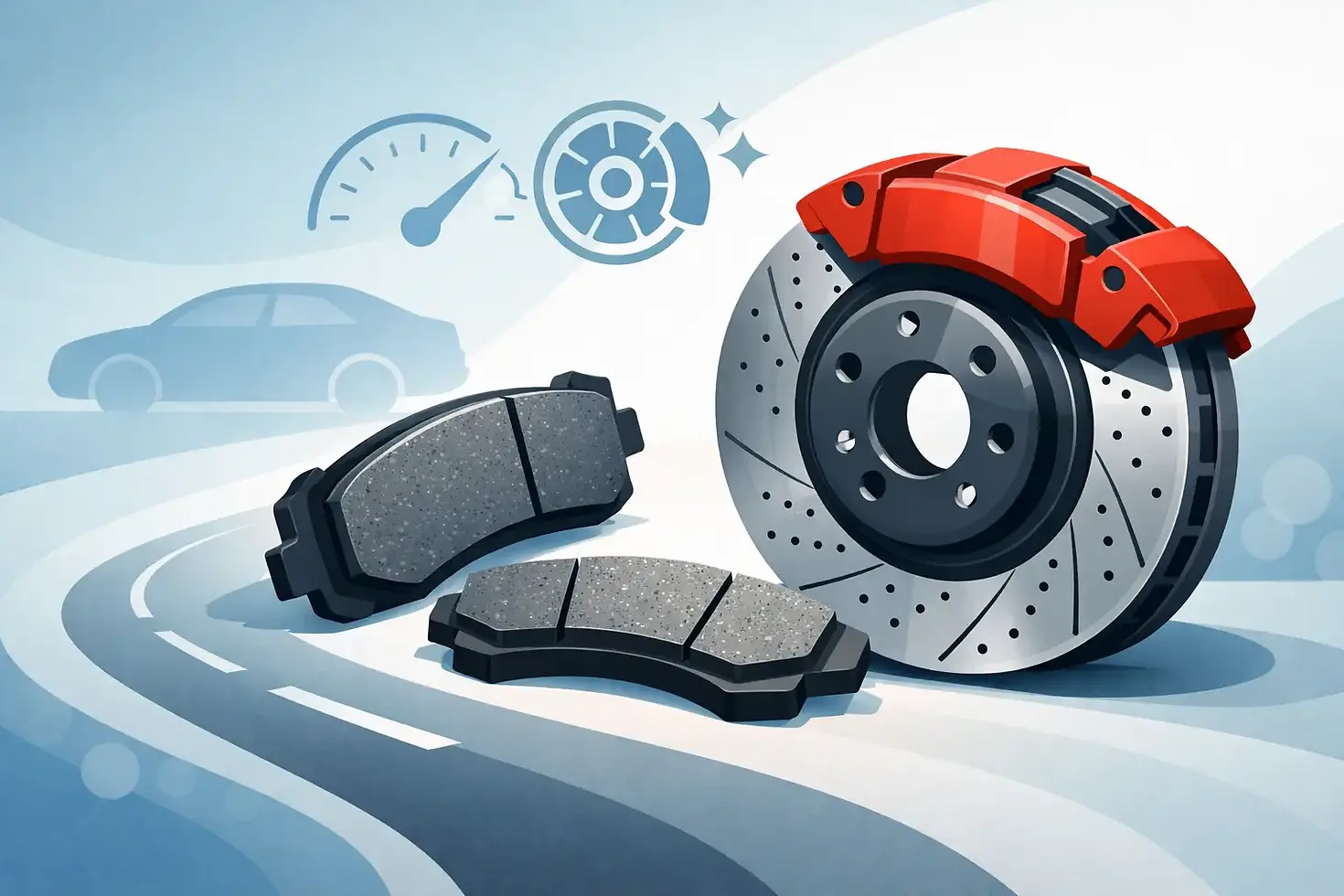
Ceramic brake pads are made with a dense friction material that typically includes ceramic fibers, bonding agents, and small amounts of metal. That mix is designed to create steady braking performance with less noise and less visible dust than older semi-metallic options.
What matters to most drivers is not the chemistry. It is how the car feels after the job is done. Ceramic pads generally offer smooth, predictable braking. They also tend to be easier on wheels from a cleanliness standpoint, which is a big reason so many customers ask for them by name.
They work especially well for sedans, crossovers, minivans, and light-duty SUVs used for commuting, errands, school pickup, and general around-town driving. If that sounds like your vehicle use, ceramic pads are usually worth serious consideration.
Why drivers choose ceramic brake pads
The biggest selling point is everyday comfort. Ceramic pads are known for low noise and low dust. If you are tired of hearing squeaks at stoplights or cleaning dark residue off your wheels, that matters.
They also provide a more refined braking feel for normal driving. The pedal response is usually smooth and controlled rather than grabby. For busy Atlanta drivers dealing with constant stop-and-go traffic, that kind of consistency makes a difference.
Another benefit is heat handling in regular use. Ceramic pads perform well across the temperature range most commuter vehicles see. They can tolerate repeated braking in traffic without falling apart under normal conditions.
For service providers, ceramic pads also make sense because they fit what most customers want - clean operation, dependable stopping, and fewer complaints about noise. That is one reason some brake specialists use ceramic pads as their standard recommendation.
The trade-offs most guides skip
A ceramic brake pad guide should be honest about the downside, because no brake pad material is perfect.
First, ceramic pads often cost more than basic semi-metallic or organic pads. The upfront price can be higher, even if the long-term value is solid. If your main goal is the cheapest possible repair today, ceramics may not be your first choice.
Second, they are not built for every extreme use case. If you tow heavy loads often, drive in severe mountain conditions, or push your vehicle hard with aggressive braking, another pad type may offer stronger bite under extreme heat. That does not mean ceramic pads are weak. It means driving conditions matter.
Third, pad choice is only part of brake performance. Rotors, caliper condition, hardware, brake fluid, tire condition, and even suspension issues affect how a vehicle stops. New ceramic pads will not fix worn rotors or a sticking caliper.
Ceramic vs semi-metallic brake pads
This is the comparison most drivers ask about.
Semi-metallic pads usually contain a higher percentage of metal. They are durable and often provide strong stopping power, especially in harder-use conditions. They can be a good match for trucks, performance driving, and heavier vehicles under demanding use.
The trade-off is that semi-metallic pads are often noisier and dustier. They may also feel harsher during normal everyday driving. If quiet operation and cleaner wheels matter most, ceramics usually come out ahead.
Ceramic pads, on the other hand, are generally better suited for comfort-focused daily driving. They produce finer, lighter-colored dust that is less noticeable. They also tend to run quieter. For many drivers, that is the deciding factor.
If you use your vehicle for commuting, errands, and family transportation, ceramic is usually the practical choice. If your vehicle sees heavier-duty work, the right answer depends on weight, usage, and manufacturer requirements.
How long do ceramic brake pads last?
There is no one-number answer, and anyone who gives you one without seeing the vehicle is guessing.
Ceramic brake pads can last a long time, often longer than lower-grade alternatives in normal use. But pad life depends on traffic, driving habits, vehicle size, road conditions, and whether the rest of the brake system is in good shape.
A commuter crawling through heavy traffic every day will wear pads faster than a driver with an easy highway route. A rideshare driver stopping hundreds of times a week will not get the same lifespan as someone who drives mostly on weekends. Fleet vehicles vary even more depending on route density and driver behavior.
That is why inspection matters. Brake pads should be checked for remaining material, even wear, rotor condition, and signs of overheating or hardware issues. Pad life is not just about mileage. It is about the whole braking system.
Signs your brake pads need attention
Most drivers wait too long because the car still stops. That is risky.
If you hear squealing or grinding, feel vibration during braking, notice the car taking longer to stop, or see a brake warning light, it is time to get the system checked. A soft pedal or pulling to one side also points to a problem that may go beyond pads.
Sometimes the signs are subtle. The brakes may feel less responsive in traffic, or you may notice a rough pulse at low speeds. Catching the issue early can prevent rotor damage and a more expensive repair.
Are ceramic pads worth it for your vehicle?
For a lot of drivers, yes. If you want quiet braking, less wheel dust, solid everyday performance, and a cleaner overall driving experience, ceramic pads are often worth the extra cost.
They make particular sense for people who rely on their car every day and do not want repeat brake headaches. That includes commuters, parents managing a full schedule, rideshare drivers, and small business owners who cannot afford downtime.
For fleet operators, ceramics can also be a smart fit when the priority is consistent, low-maintenance performance across vehicles used in regular service. Cleaner wheels and quieter operation may not sound critical on paper, but they help reduce complaints and keep vehicles feeling better maintained.
Still, the best choice depends on the vehicle and workload. A technician should look at the make, model, driving conditions, and current brake wear before recommending any pad material.
What to ask before replacing brake pads
Ask what pad material is being installed and why. Ask whether the rotors can be resurfaced, need replacement, or should be measured first. Ask if the hardware is being serviced and whether the brake fluid condition has been checked.
Those details matter because a brake job is not just about swapping pads. Proper installation, rotor condition, and system inspection affect noise, wear, and stopping performance just as much as the pad itself.
It is also smart to ask about warranty coverage. Good brake work should come with clear terms, not vague promises. If a provider stands behind the repair, that tells you something.
For drivers who do not have time to sit in a waiting room, mobile brake service changes the equation. Having the work done at home or work means no towing, no shop delay, and no rearranging your day just to handle a brake issue. That practical convenience is why many Atlanta drivers call Brakes Stop & Go when brake problems show up.
Final thoughts from this ceramic brake pad guide
Ceramic brake pads are not the right answer for every vehicle, but they are the right answer for a lot of real-world drivers. If your priority is safe, quiet, dependable braking with less mess and less hassle, they are hard to beat. The smartest next step is simple: get the brakes inspected before a small problem turns into lost time, damaged rotors, or a repair that costs more than it should.


Comments